We don’t know yet. But that is the beauty of this series. Like any good hike, you don’t walk for the destination. You walk for the way the light filters through the trees, the sound of footsteps on a trail, and the quiet possibility that around the next bend, you might meet someone who understands why you came out here in the first place.
This is where the romantic storylines begin—not with a grand meet-cute, but with a shadow of longing cast over a mountain vista. Unlike Hollywood rom-coms where love is a series of escalating events, "Outside with Maochan" treats romance as a gradient. Scholars and fans of the series have broken down the relationship dynamics into three distinct pillars: 1. The Transient Connection (The Hitchhiker Arc) In Season 2, Maochan picks up a hitchhiker during a rainstorm in the Pacific Northwest. This character, known only as "K," stays for two episodes. They share a tent, cook foraged mushrooms, and argue gently about the best way to start a fire without kindling. There is no kiss. There is no confession. But the way K looks at Maochan while Maochan sketches a mountain peak is undeniably romantic. The storyline concludes with K leaving at a bus stop, handing Maochan a pressed fern. Fans still debate whether this was a romance or a platonic soulmate encounter. The genius of OWM is that it refuses to answer. 2. The Return of the Ex (The Letters from the City) Arguably the most heartbreaking pillar involves Maochan’s off-screen ex-partner, referred to only as "Y." Throughout Season 3, Maochan reads handwritten letters from Y while sitting by a lake. The letters are apologetic, nostalgic, and pleading for reconciliation. The romantic storyline here is not will-they-won’t-they, but should-they? The outdoors acts as a therapist. When Maochan finishes a letter, they fold it into a paper boat and set it on the water. The audience watches the boat drift away. No words are spoken. It is a masterclass in visual storytelling about the end of a relationship. 3. The Unspoken Crush (The Fellow Naturalist) In the most recent season, a recurring character named Sam (a wildlife biologist studying owl migration) enters the frame. Over four episodes, the outside with maochan relationships and romantic storylines reach a fever pitch. Sam teaches Maochan to identify bird calls. Maochan makes Sam tea from pine needles. They fall asleep side-by-side in a hammock, their hands inches apart. The romantic tension is palpable, not through dialogue but through framing—the camera focuses on the space between them. Fans have created hundreds of hours of analysis on whether Sam glanced at Maochan’s lips during Episode 7. This slow-burn approach to romance has become OWM’s trademark. Why Nature is the Ultimate Third Wheel What sets OWM apart from conventional romantic dramas is its use of the environment as an active participant. In most romantic storylines, the setting is passive—a restaurant, a beach, a rainy street. In "Outside with Maochan," nature intervenes. sex outside with maochan cvjt0rp5 hot
A romantic confession is interrupted by a sudden hailstorm, forcing the characters to seek shelter in a cave, where whispers are amplified by the echo. A long-awaited kiss is delayed because a deer walks between them, and the moment dissolves into shared awe. A fight about commitment is silenced by the sheer scale of a canyon at sunset, rendering their argument trivial against the vastness of time. We don’t know yet
But what happens when you take the tranquility of nature and weave it together with the chaos of the heart? The answer lies in the that anchor the "Outside with Maochan" experience. This article dives deep into how this unique narrative universe uses the great outdoors not just as a backdrop, but as a character—one that shapes, tests, and ultimately defines how love stories unfold. The Genesis of "Outside with Maochan": More Than a Vlog To understand the romantic subtext, we must first understand the text itself. "Outside with Maochan" (often abbreviated OWM by fans) started as a passion project—a series of cinematic vignettes featuring a protagonist affectionately known as Maochan. Unlike traditional travel content that focuses on destinations, OWM focuses on stillness . The camera lingers on dew on pine needles, the sound of a stream over smooth stones, and the slow exhale of a campfire ember. You walk for the way the light filters
In the end, are not about finding "the one." They are about finding the version of yourself that is brave enough to be vulnerable under an open sky. And that, perhaps, is the greatest love story of all. If you enjoyed this deep dive, subscribe to the "Outside with Maochan" newsletter for weekly nature prompts, romantic playlist recommendations, and community discussion threads. The trail is always open.
This is a profound narrative choice. It suggests that relationships are not just between two people; they exist within a larger ecosystem. The outdoors tests patience (when the stove won’t light), reveals character (who packs the map?), and heals wounds (the quiet rhythm of waves on a shore). For fans, Maochan’s romantic arcs are incomplete without the sound of wind in the pines. A fascinating development in the community is the "Multiverse Theory." Because "Outside with Maochan" releases standalone specials and alternate cuts, fans have pieced together that certain romantic storylines might be non-linear. Did Maochan meet Sam before K? Did Y’s letters arrive after the hitchhiker left? The ambiguity is deliberate.
In the vast, ever-expanding universe of digital content, certain niche creators manage to cut through the noise by offering something profoundly simple yet deeply resonant: authenticity. One such rising phenomenon is the conceptual space known as "Outside with Maochan." While it may sound like the title of a indie film or a lo-fi playlist, for its growing community, it represents a genre of storytelling that prioritizes the outdoors, slow living, and the intricate dance of human relationships.
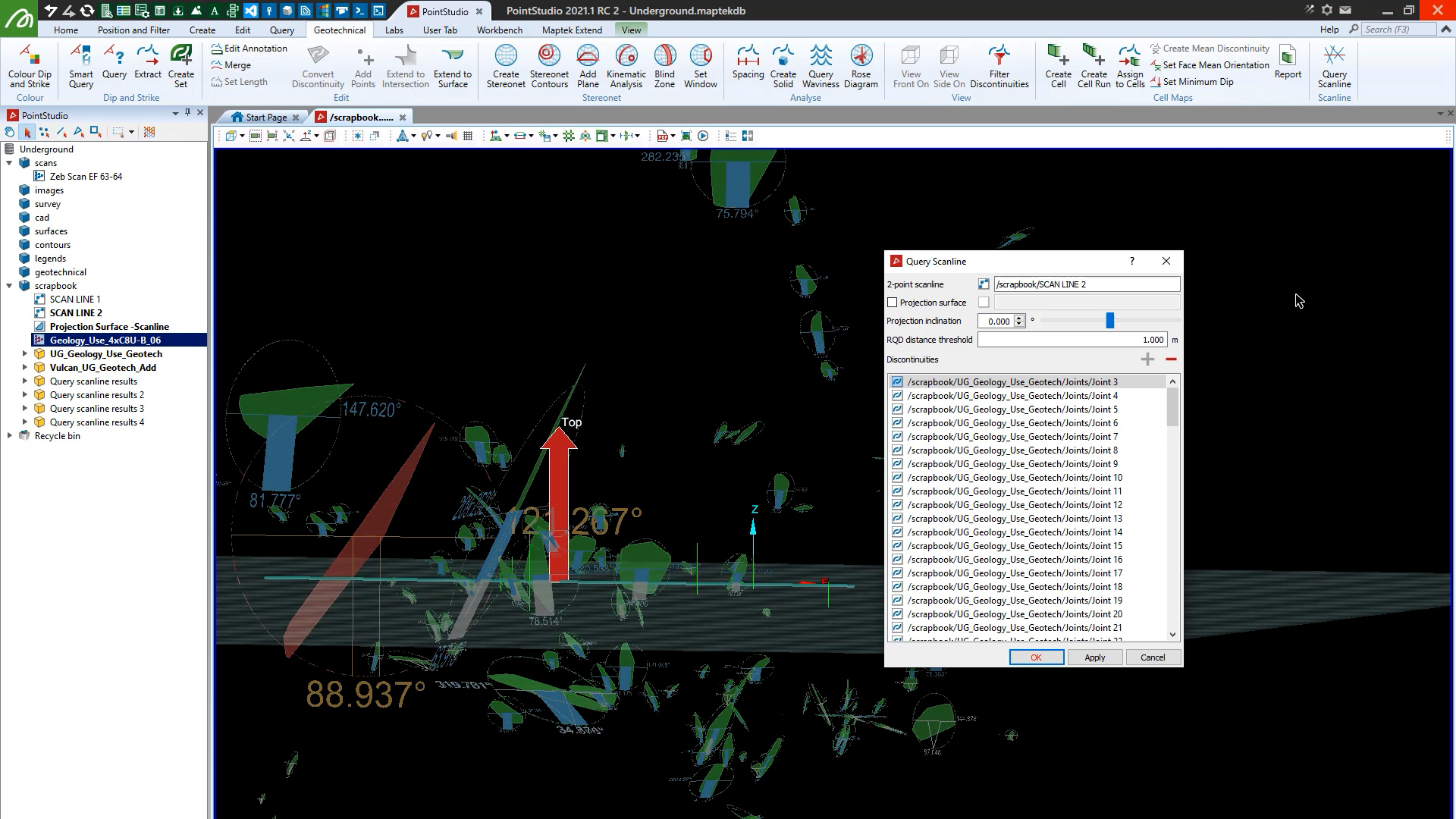
PointStudio 2021.1 features enhanced Inter-Ramp Compliance, performance and stability, supports Maptek R3 mkII laser scanners and enables unwrapping and colouring lines by grade and RQD calculation on scanlines.
We don’t know yet. But that is the beauty of this series. Like any good hike, you don’t walk for the destination. You walk for the way the light filters through the trees, the sound of footsteps on a trail, and the quiet possibility that around the next bend, you might meet someone who understands why you came out here in the first place.
This is where the romantic storylines begin—not with a grand meet-cute, but with a shadow of longing cast over a mountain vista. Unlike Hollywood rom-coms where love is a series of escalating events, "Outside with Maochan" treats romance as a gradient. Scholars and fans of the series have broken down the relationship dynamics into three distinct pillars: 1. The Transient Connection (The Hitchhiker Arc) In Season 2, Maochan picks up a hitchhiker during a rainstorm in the Pacific Northwest. This character, known only as "K," stays for two episodes. They share a tent, cook foraged mushrooms, and argue gently about the best way to start a fire without kindling. There is no kiss. There is no confession. But the way K looks at Maochan while Maochan sketches a mountain peak is undeniably romantic. The storyline concludes with K leaving at a bus stop, handing Maochan a pressed fern. Fans still debate whether this was a romance or a platonic soulmate encounter. The genius of OWM is that it refuses to answer. 2. The Return of the Ex (The Letters from the City) Arguably the most heartbreaking pillar involves Maochan’s off-screen ex-partner, referred to only as "Y." Throughout Season 3, Maochan reads handwritten letters from Y while sitting by a lake. The letters are apologetic, nostalgic, and pleading for reconciliation. The romantic storyline here is not will-they-won’t-they, but should-they? The outdoors acts as a therapist. When Maochan finishes a letter, they fold it into a paper boat and set it on the water. The audience watches the boat drift away. No words are spoken. It is a masterclass in visual storytelling about the end of a relationship. 3. The Unspoken Crush (The Fellow Naturalist) In the most recent season, a recurring character named Sam (a wildlife biologist studying owl migration) enters the frame. Over four episodes, the outside with maochan relationships and romantic storylines reach a fever pitch. Sam teaches Maochan to identify bird calls. Maochan makes Sam tea from pine needles. They fall asleep side-by-side in a hammock, their hands inches apart. The romantic tension is palpable, not through dialogue but through framing—the camera focuses on the space between them. Fans have created hundreds of hours of analysis on whether Sam glanced at Maochan’s lips during Episode 7. This slow-burn approach to romance has become OWM’s trademark. Why Nature is the Ultimate Third Wheel What sets OWM apart from conventional romantic dramas is its use of the environment as an active participant. In most romantic storylines, the setting is passive—a restaurant, a beach, a rainy street. In "Outside with Maochan," nature intervenes.
A romantic confession is interrupted by a sudden hailstorm, forcing the characters to seek shelter in a cave, where whispers are amplified by the echo. A long-awaited kiss is delayed because a deer walks between them, and the moment dissolves into shared awe. A fight about commitment is silenced by the sheer scale of a canyon at sunset, rendering their argument trivial against the vastness of time.
But what happens when you take the tranquility of nature and weave it together with the chaos of the heart? The answer lies in the that anchor the "Outside with Maochan" experience. This article dives deep into how this unique narrative universe uses the great outdoors not just as a backdrop, but as a character—one that shapes, tests, and ultimately defines how love stories unfold. The Genesis of "Outside with Maochan": More Than a Vlog To understand the romantic subtext, we must first understand the text itself. "Outside with Maochan" (often abbreviated OWM by fans) started as a passion project—a series of cinematic vignettes featuring a protagonist affectionately known as Maochan. Unlike traditional travel content that focuses on destinations, OWM focuses on stillness . The camera lingers on dew on pine needles, the sound of a stream over smooth stones, and the slow exhale of a campfire ember.
In the end, are not about finding "the one." They are about finding the version of yourself that is brave enough to be vulnerable under an open sky. And that, perhaps, is the greatest love story of all. If you enjoyed this deep dive, subscribe to the "Outside with Maochan" newsletter for weekly nature prompts, romantic playlist recommendations, and community discussion threads. The trail is always open.
This is a profound narrative choice. It suggests that relationships are not just between two people; they exist within a larger ecosystem. The outdoors tests patience (when the stove won’t light), reveals character (who packs the map?), and heals wounds (the quiet rhythm of waves on a shore). For fans, Maochan’s romantic arcs are incomplete without the sound of wind in the pines. A fascinating development in the community is the "Multiverse Theory." Because "Outside with Maochan" releases standalone specials and alternate cuts, fans have pieced together that certain romantic storylines might be non-linear. Did Maochan meet Sam before K? Did Y’s letters arrive after the hitchhiker left? The ambiguity is deliberate.
In the vast, ever-expanding universe of digital content, certain niche creators manage to cut through the noise by offering something profoundly simple yet deeply resonant: authenticity. One such rising phenomenon is the conceptual space known as "Outside with Maochan." While it may sound like the title of a indie film or a lo-fi playlist, for its growing community, it represents a genre of storytelling that prioritizes the outdoors, slow living, and the intricate dance of human relationships.
We use cookies to enhance your browsing experience and analyse our traffic. By clicking "Accept all", you consent to our use of cookies. You can customise your cookie preferences by clicking 'Customise Preferences'.
We use cookies to enhance your browsing experience and analyse our traffic.
Our website may store cookies on your computer in order to improve and customise your future visits to the website. By using cookies, we can track information about your usage of the site and improve your experience with anonymous and aggregated user data.
Review our Privacy PolicyEssential for the website's functionality, without which the site cannot operate smoothly.
Remember user preferences and choices to provide a more personalized experience.
Collect data on how users interact with the website, helping to improve user experience.
Used to deliver targeted advertisements to users based on their browsing behavior and preferences.