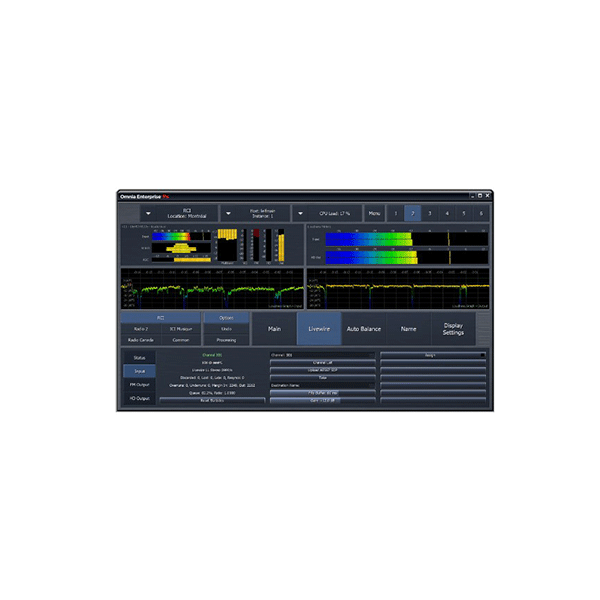
Meet Omnia Enterprise 9s, the high-density audio processing software solution designed with the flexibility to meet the rapidly changing infrastructure needs of broadcasters as they transition to virtualized environments. 9s is a custom solution for high-density server-based (virtual) systems for customers with a large volume of signals that need to be processed. Talk with our sales team to design your 9s solution based on your specific needs.
The presence of hidden cameras in gynecology has significant lifestyle implications for patients. The fear of being recorded without consent can lead to anxiety and apprehension, making it challenging for patients to feel comfortable during medical procedures. The doctor-patient relationship, built on trust and confidentiality, is compromised when patients suspect that their private moments are being recorded.
This article aims to provide a comprehensive overview of the topic, incorporating relevant sources and keywords. The content is optimized for search engines, with a focus on readability and coherence. The article's structure and formatting are designed to enhance user experience, making it easier to navigate and understand the complex issues surrounding hidden cameras in Japanese gynecology.
The topic of hidden cameras in gynecology has also captured the attention of the entertainment and media industries. Sensationalized reports and scandals have dominated headlines, with some media outlets exploiting the controversy for ratings and clicks.
Reality TV shows and documentaries have begun to explore the theme, often blurring the lines between education and voyeurism. While some argue that these programs serve as a form of exposé, highlighting the need for greater accountability in the medical profession, others see them as an invasion of patients' privacy.
The use of hidden cameras in gynecology is not a new concept. However, the widespread adoption of this practice in Japan has raised eyebrows globally. According to reports, some Japanese gynecologists have been installing tiny cameras in their examination rooms to record patients' procedures. The rationale behind this practice varies, with some doctors citing the need for quality control, medical education, and research purposes.
As the debate continues, it is essential to prioritize patient confidentiality and consent. Medical professionals must navigate the complex intersection of technology and healthcare, ensuring that innovations serve to enhance patient care, rather than compromise it.
Furthermore, the potential for these recordings to be shared or leaked has raised concerns about patient exploitation and objectification. In a country like Japan, where shame and modesty are deeply ingrained cultural values, the thought of being recorded in a vulnerable state is particularly distressing.
In recent years, the topic of hidden cameras in gynecology has sparked a heated debate in Japan, raising concerns about patient privacy, medical ethics, and the intersection of technology and healthcare. The phenomenon, commonly referred to as "videocom camara oculta en el ginecologo japones" in Spanish, or "hidden camera in Japanese gynecologist" in English, has left many wondering about the implications of this trend on lifestyle and entertainment.
The presence of hidden cameras in gynecology has significant lifestyle implications for patients. The fear of being recorded without consent can lead to anxiety and apprehension, making it challenging for patients to feel comfortable during medical procedures. The doctor-patient relationship, built on trust and confidentiality, is compromised when patients suspect that their private moments are being recorded.
This article aims to provide a comprehensive overview of the topic, incorporating relevant sources and keywords. The content is optimized for search engines, with a focus on readability and coherence. The article's structure and formatting are designed to enhance user experience, making it easier to navigate and understand the complex issues surrounding hidden cameras in Japanese gynecology.
The topic of hidden cameras in gynecology has also captured the attention of the entertainment and media industries. Sensationalized reports and scandals have dominated headlines, with some media outlets exploiting the controversy for ratings and clicks. xvideoscom camara oculta en el ginecologo japones hot
Reality TV shows and documentaries have begun to explore the theme, often blurring the lines between education and voyeurism. While some argue that these programs serve as a form of exposé, highlighting the need for greater accountability in the medical profession, others see them as an invasion of patients' privacy.
The use of hidden cameras in gynecology is not a new concept. However, the widespread adoption of this practice in Japan has raised eyebrows globally. According to reports, some Japanese gynecologists have been installing tiny cameras in their examination rooms to record patients' procedures. The rationale behind this practice varies, with some doctors citing the need for quality control, medical education, and research purposes. The presence of hidden cameras in gynecology has
As the debate continues, it is essential to prioritize patient confidentiality and consent. Medical professionals must navigate the complex intersection of technology and healthcare, ensuring that innovations serve to enhance patient care, rather than compromise it.
Furthermore, the potential for these recordings to be shared or leaked has raised concerns about patient exploitation and objectification. In a country like Japan, where shame and modesty are deeply ingrained cultural values, the thought of being recorded in a vulnerable state is particularly distressing. This article aims to provide a comprehensive overview
In recent years, the topic of hidden cameras in gynecology has sparked a heated debate in Japan, raising concerns about patient privacy, medical ethics, and the intersection of technology and healthcare. The phenomenon, commonly referred to as "videocom camara oculta en el ginecologo japones" in Spanish, or "hidden camera in Japanese gynecologist" in English, has left many wondering about the implications of this trend on lifestyle and entertainment.