- Colour Range
Be inspired by Infinity Collections
All Collections - Large Slabs
- Professionals
- About us
Experience Infinity products firsthand
SHOWROOM - Sustainability
- Resources
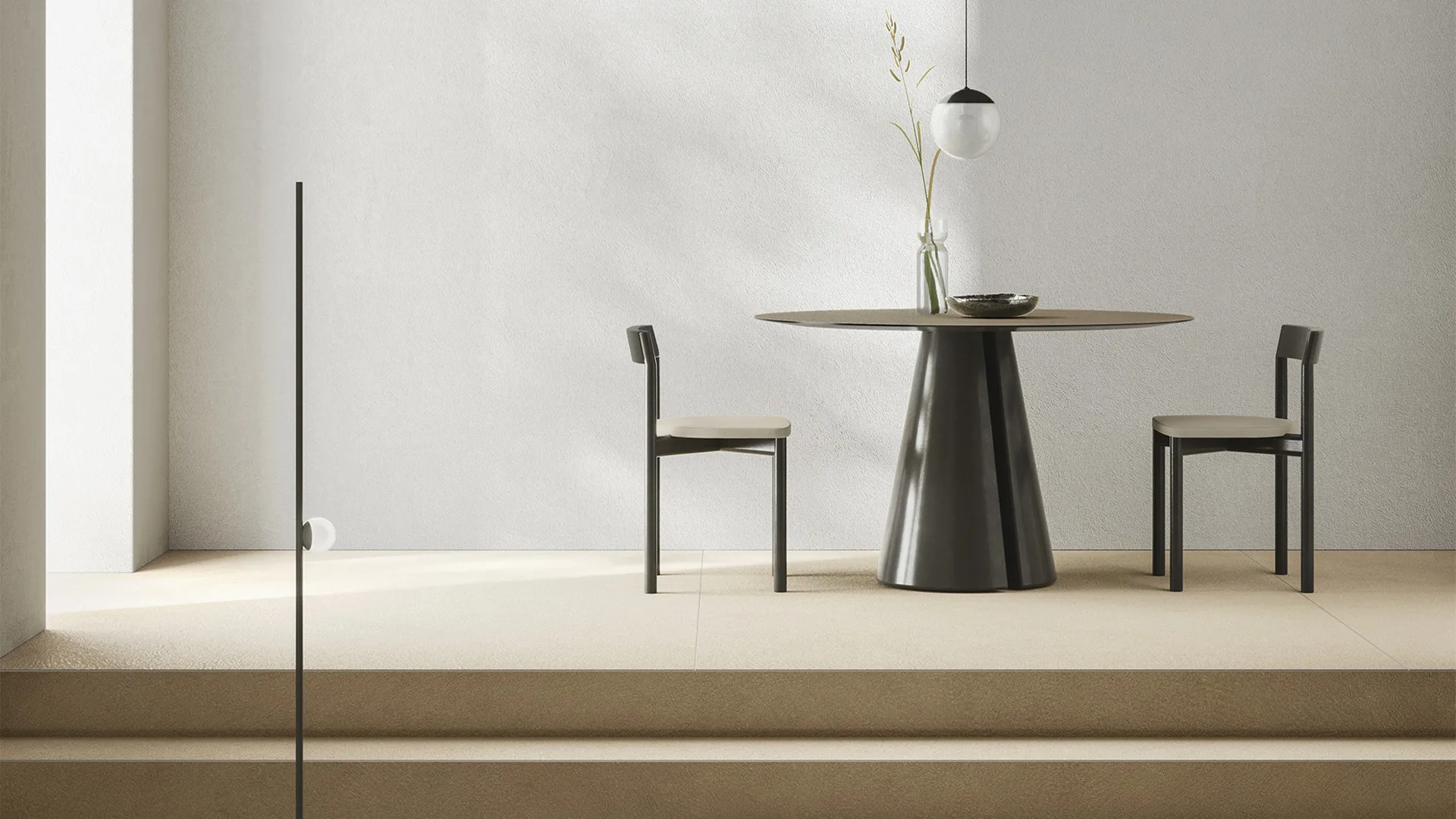
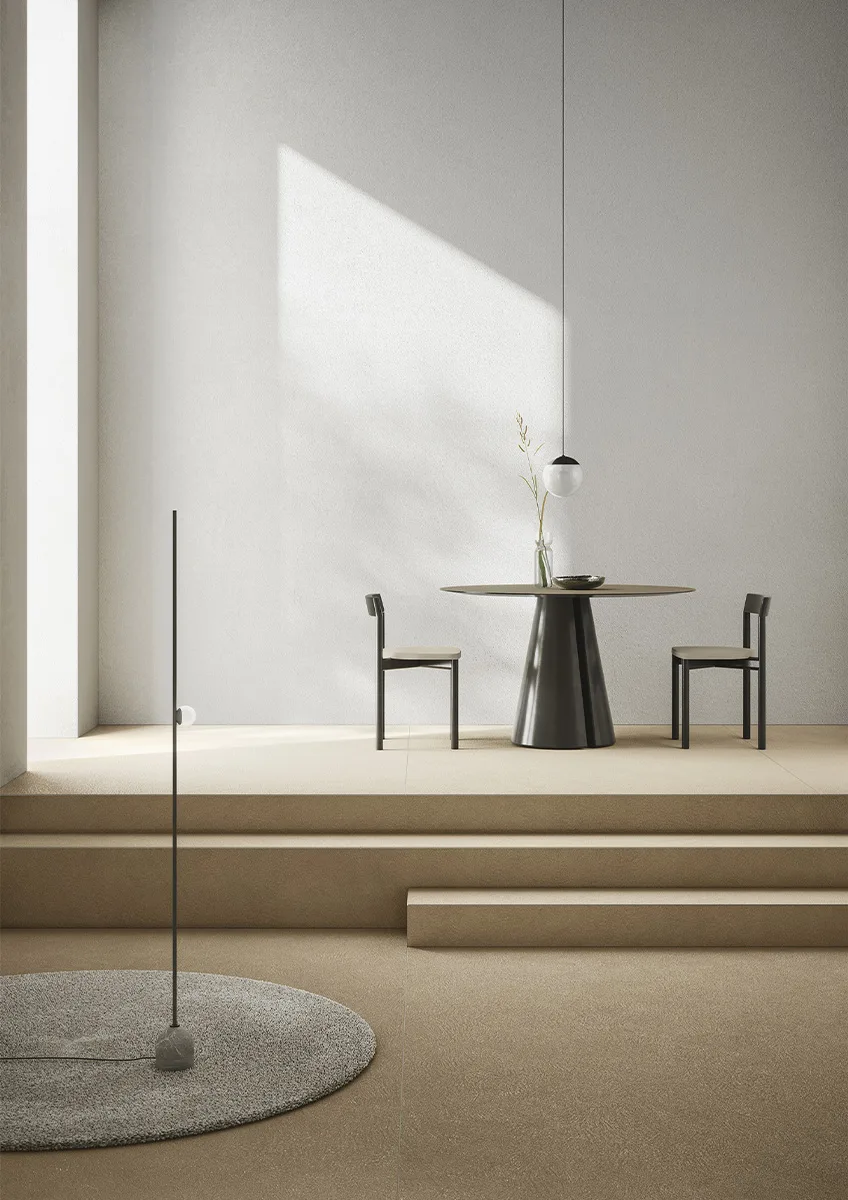
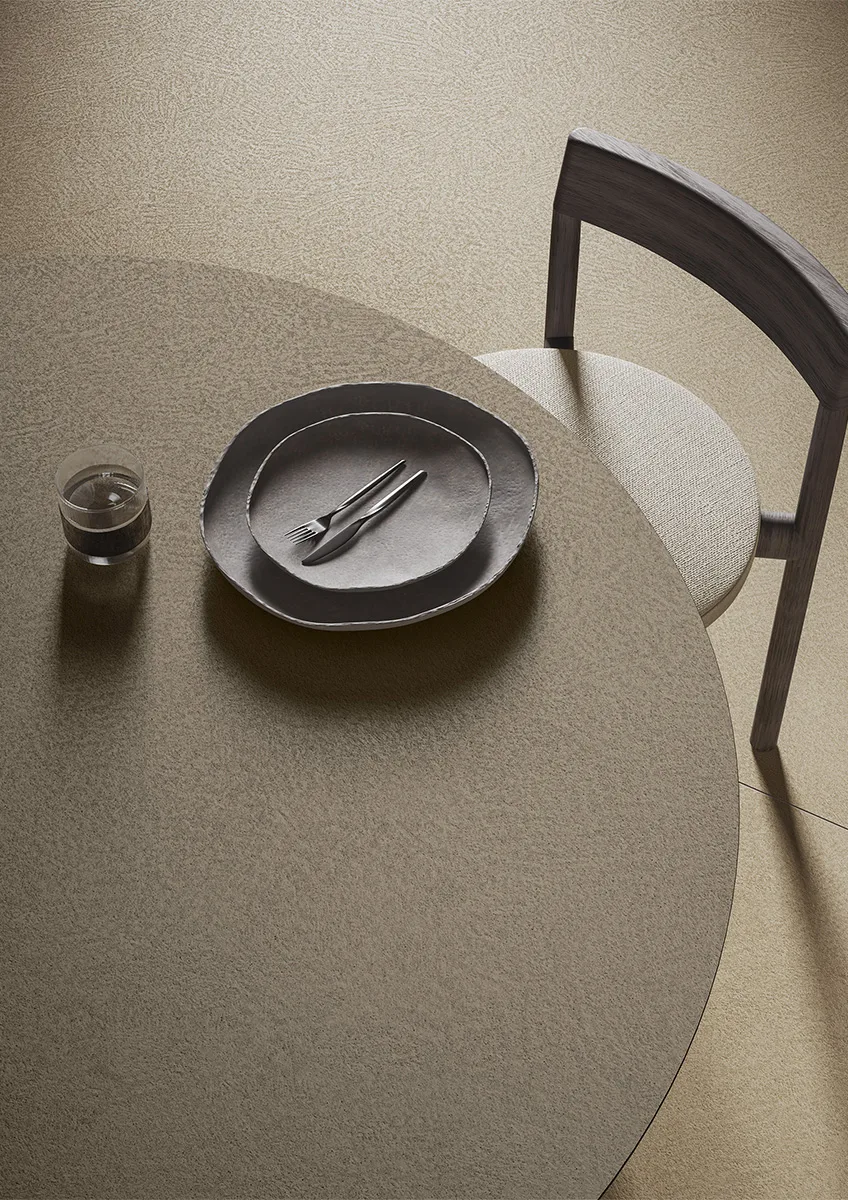
Plaster reinterprets the materiality of hand-worked plaster, transforming it into a design that blends craftsmanship and innovation.
Formats
160x320 cm (63”x127”)
162x324 cm (63¾”x 127½”)

For decades, the portrayal of childbirth in popular media has been sanitized. We see the sweating brow, the clenched teeth of the partner, and the immediate cut to a wrapped, clean baby. What is missing is the biological reality—the "ring of fire," the perineal stretching, the emergence of life through a primal, physical gateway.
This immersive technology, built upon the foundation of real closeup footage, promises to reduce maternal mortality rates by training emergency responders in shoulder dystocia techniques and postpartum hemorrhage management through realistic, visual repetition. There is a reason why midwives of the past watched hundreds of births before practicing on their own. The naked eye needs to see the cardinal movements of labor to believe them. woman giving birth video closeup
But today, a growing movement of birth workers, doulas, and parents are championing the use of closeup birth videos. These are not voyeuristic clips; they are educational goldmines. This article explores why watching a high-definition, closeup view of a vaginal delivery is one of the most transformative tools for childbirth education available today. When we talk about a woman giving birth video closeup , we aren't talking about a shaky cell phone video from the foot of the bed. We are talking about intentional, well-lit, often professional footage that focuses specifically on the perineum and the emerging fetal head. For decades, the portrayal of childbirth in popular
When you watch a , you see the perineal body thin from a thick fold of tissue to a translucent, almost cellophane-like membrane. You see the capillaries beneath the skin burst, creating the characteristic "V" sign of labor. This immersive technology, built upon the foundation of
For a student midwife or a first-time father, seeing this process in closeup demystifies fear. It replaces the abstract concept of "pushing" with a concrete visual of how the pelvic floor accommodates the baby. Hollywood has done a disservice to expectant parents. In movies, labor lasts ten minutes, the mother screams uncontrollably (which, physiologically, hinders pushing), and the baby arrives covered in corn syrup.
Seeing this physiological change explains why it burns. It is not a tear; it is stretching. Understanding this distinction—that the burn means the tissues are working correctly, not breaking—is a profound mental anchor for a woman in active labor. It turns panic into purpose. A common question is: "Won't watching a closeup birth video traumatize me?"