vesti

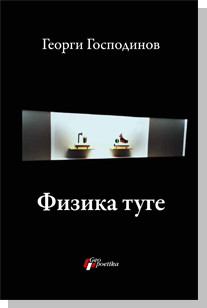
Fizika tuge

Georgi Gospodinov

Prevela s bugarskog Ivana Stoičkov

Godina izdanja: 2013

Format (cm): 20cm

Broj Strana: 344

ISBN: 978-86-6145-143-0

Cena: Rasprodato

Već na prvi pogled jasno je da je pred nama moderan roman. A koliko je još i moderniji na drugi pogled?
Gospodinov bez zazora preispituje granice žanra. To čini tako da nam se čini kao da je ovo jedan od poslednjih pokušaja da se dokaže da roman kao književni rod ima još oblika za izmišljanje, obogaćivanje i pokazivanje. Autor istovremeno lakonski i temeljno preispituje roman kao oblik književnog istraživanja, dovodeći ga u ozbiljnu sumnju, te ga potom, tako negiranog, uspostavlja u jednom novom melanžu. Fizika tuge nije više i samo eksperiment; ona je nova romaneskna vrednost. Istorija književnosti verovatno će ga jednoga dana označiti kao: a) prekretnički roman, b) izdajnički roman, ili v) jedan od poslednjih romana koji bi da obuhvate - sve.
Ovaj pre svega poetičan roman, vrlo tanane duše, priča je o fizici ali i metafizici tuge. Čine ga: montaža, kinematografska struktura, pauze, grafika, simboli, tišina, prividna fragmentarnost, samoća, minotaurska napuštenost, lavirinti, antički mitovi, praznina. To je istorija sveta ispričana pogledom nevažnih događaja, netipičnih stvorenja (od puževa do dinosaura i ljudi). U zbiru svega glavni junak je Ja smo. To ja smo ključ je romana: ono je oscilirajuće klatno između prvog i trećeg lica, jednine i množine. Autorska snaga, koja je u svim pričama i telima ove knjige, mnogo je šira od tzv. Sveznajućeg autora.
Roman - vremenska kapsula. Roman u koji se zaljubljuje.
Ako je originalni i uspešni Prirodni roman G. Gospodinova, preveden na 20 jezika, od kojih je srpski bio prvi u svetu (Geopoetika, 2001), bio postmoderan u najplemenitijem smislu reči, Fizika tuge je roman apokaliptičan u najrevolucionarnijem značenju reči.  windows+xpqcow2+top

Windows+xpqcow2+top | Full • Full Review |

Look for high await (anything >20ms indicates a problem) or %util near 100%. To minimize copy-on-write overhead for Windows, use metadata preallocation :

However, Windows is notoriously chatty with I/O operations (frequent small writes, pagefile accesses, and NTFS journaling). This is where becomes essential. Part 3: Achieving "Top" Performance – A Step-by-Step Optimization Guide To achieve "top" (both performance and monitoring) for a Windows VM on an XPQCow2 disk, follow these 7 expert strategies. 1. Host-Level Top: Monitoring the Qcow2 Backend Before tuning, you must measure. On the Linux host (KVM/Xen), use:

| Feature | Benefit for Windows Workloads | |--------|--------------------------------| | | Quickly roll back Windows Updates or driver installs. | | Thin Provisioning | Allocate 100GB virtual space but only use actual disk blocks. | | Compression | Reduce storage footprint for idle Windows VMs. | | Encryption (LUKS + Qcow2) | Secure sensitive Windows data at rest. | | Backup Efficiency | Use qemu-img for incremental backups without agent software. |

# Monitor real-time I/O for the qemu process top -p $(pgrep -f "qemu.*windows") # Then press 'f' and add 'SWAP', 'CODE', 'DATA' for memory insight. iostat -x 1 /var/lib/libvirt/images/windows.qcow2

In the rapidly evolving landscape of IT infrastructure, the intersection of robust host operating systems, efficient virtual disk formats, and performance monitoring is where true expertise shines. The keyword sequence "windows+xpqcow2+top" may look like a random string of tech terms at first glance. However, for system administrators, DevOps engineers, and advanced virtualization enthusiasts, it represents a critical workflow: Running a Windows environment on top of an XPQCow2 disk image and optimizing it for top performance.

Ostale knjige iz edicije - Svet proze

Look for high await (anything >20ms indicates a problem) or %util near 100%. To minimize copy-on-write overhead for Windows, use metadata preallocation :

However, Windows is notoriously chatty with I/O operations (frequent small writes, pagefile accesses, and NTFS journaling). This is where becomes essential. Part 3: Achieving "Top" Performance – A Step-by-Step Optimization Guide To achieve "top" (both performance and monitoring) for a Windows VM on an XPQCow2 disk, follow these 7 expert strategies. 1. Host-Level Top: Monitoring the Qcow2 Backend Before tuning, you must measure. On the Linux host (KVM/Xen), use:

| Feature | Benefit for Windows Workloads | |--------|--------------------------------| | | Quickly roll back Windows Updates or driver installs. | | Thin Provisioning | Allocate 100GB virtual space but only use actual disk blocks. | | Compression | Reduce storage footprint for idle Windows VMs. | | Encryption (LUKS + Qcow2) | Secure sensitive Windows data at rest. | | Backup Efficiency | Use qemu-img for incremental backups without agent software. |

# Monitor real-time I/O for the qemu process top -p $(pgrep -f "qemu.*windows") # Then press 'f' and add 'SWAP', 'CODE', 'DATA' for memory insight. iostat -x 1 /var/lib/libvirt/images/windows.qcow2

In the rapidly evolving landscape of IT infrastructure, the intersection of robust host operating systems, efficient virtual disk formats, and performance monitoring is where true expertise shines. The keyword sequence "windows+xpqcow2+top" may look like a random string of tech terms at first glance. However, for system administrators, DevOps engineers, and advanced virtualization enthusiasts, it represents a critical workflow: Running a Windows environment on top of an XPQCow2 disk image and optimizing it for top performance.