Volunteer
This erasure is a foundational trauma. The transgender community remembers that they bled for gay rights, only to be asked to stand in the back at the victory marches. This history explains why modern trans activists are often fiercely independent, insisting that "trans rights are human rights" without needing the permission of cisgender gay gatekeepers. Despite political friction, the cultural DNA of LGBTQ life is undeniably woven with trans threads. One cannot discuss modern queer slang, fashion, or music without acknowledging trans and drag culture.
Gay bars have historically been havens for the LGBTQ community. However, some trans people report feeling unwelcome in spaces that feel "cis-sexualized," such as a gay male bathhouse or a lesbian bar that centers vulva-centric feminism. The phrase "No fats, no fems, no trans" has been reported on dating apps and in some physical spaces, forcing the trans community to create their own parallel social ecosystems. Part V: The Modern Renaissance – Visibility, Backlash, and Solidarity The 2010s and 2020s have witnessed an unprecedented explosion of transgender visibility. From Laverne Cox on the cover of Time magazine to Elliot Page’s public transition, from the Emmy-winning Pose to the pop stardom of Kim Petras, trans people are telling their own stories.
From the avant-garde performances of trans icon Candy Darling, a muse to Andy Warhol, to the contemporary Broadway revolution of Hedwig and the Angry Inch and Jagged Little Pill , trans artists have consistently pushed boundaries. Mainstream LGBTQ culture often celebrates "queer art," but much of its edginess comes directly from the trans experience of forging an identity outside societal binaries. Part IV: Diverging Needs – Where the Alliances Strain While history and culture bind the LGB and T together, practical needs sometimes diverge, leading to tension.
Made famous by the documentary Paris is Burning (1990) and the TV series Pose , the ballroom culture of 1980s New York was a safe haven for Black and Latinx queer and trans people. Categories like "Realness" (the art of passing as cisgender straight) were not just performance; they were survival techniques. Language born here—"shade," "reading," "slay," "yas"—has now entered the global lexicon, thanks to pop culture.
However, with visibility comes virulent backlash. As of 2025, hundreds of anti-trans bills have been proposed across U.S. state legislatures, targeting everything from bathroom access and sports participation to gender-affirming healthcare and drag performances (often using anti-drag laws as a proxy to attack trans expression).
Johnson and Rivera founded , one of the first organizations in the United States dedicated to homeless transgender youth. Yet, as the 1970s progressed and the gay rights movement sought respectability, trans people were often pushed to the margins. The infamous claim by some gay cisgender leaders that trans activists were "too radical" or "made us look bad" created a rift that has never fully healed.
Second, . With coordinated attacks from conservative political movements targeting all forms of queer expression (from banning books with gay characters to criminalizing trans healthcare), the LGB and T must remain united. Division is the goal of opponents; unity is the strategy of survival.
A small but vocal minority of LGB individuals (often labeled "trans-exclusionary radical feminists" or TERFs, though many are not feminists) argue that trans women are men infiltrating female-only spaces. They attempt to cleave the T from the LGB coalition, arguing that sexuality and gender are separate battles. This movement is widely condemned by official LGBTQ organizations like GLAAD and the Human Rights Campaign, but its existence highlights a real fracture.
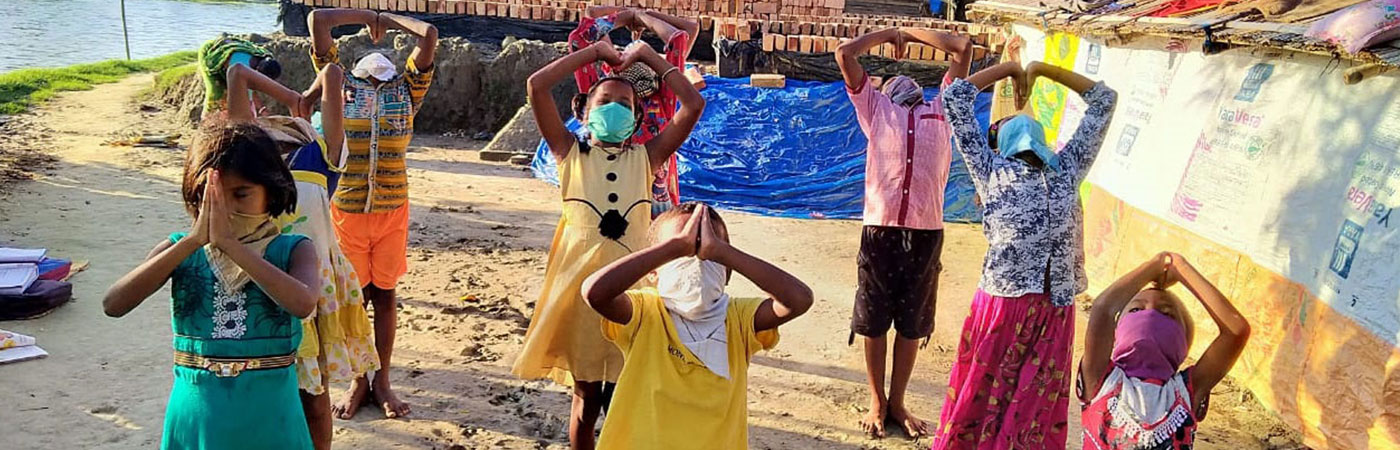
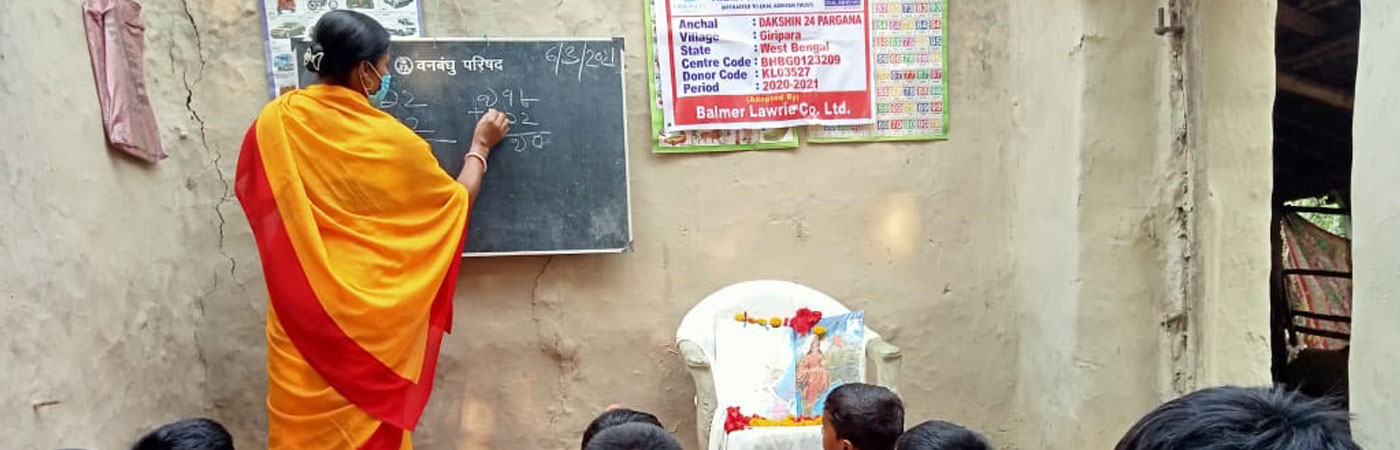
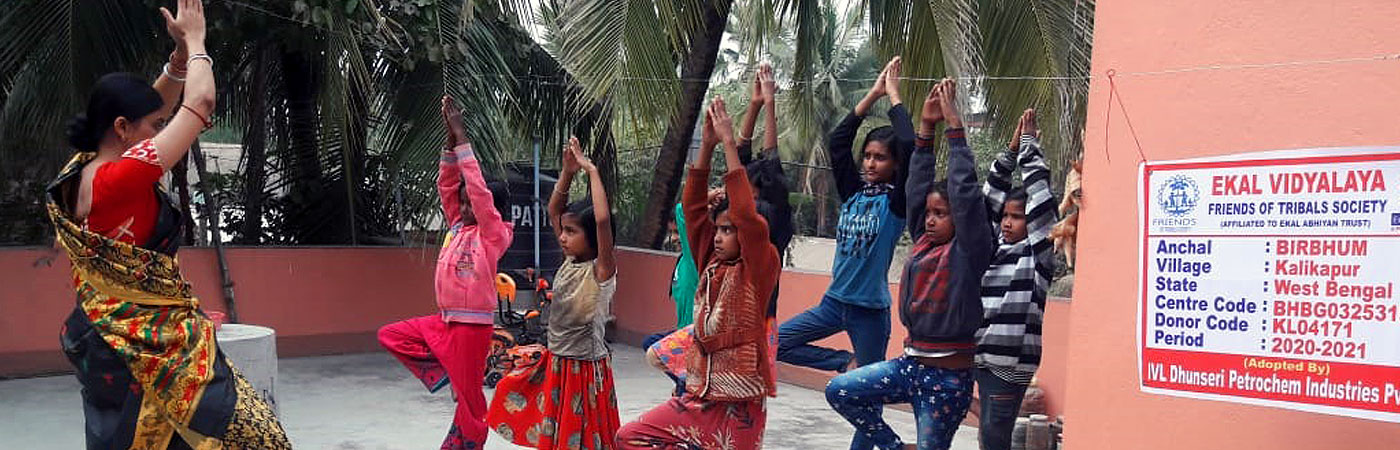


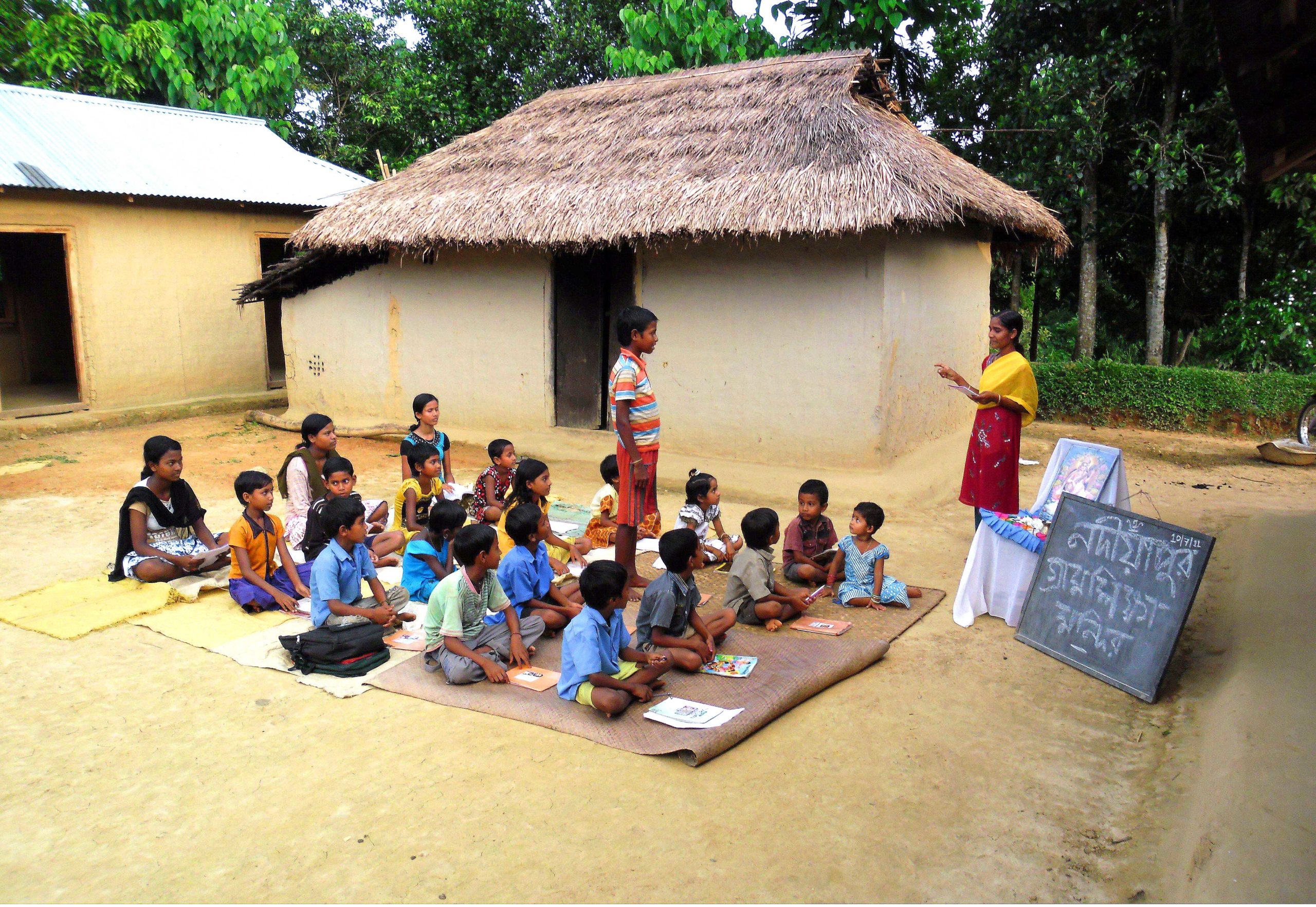

Our activities have been acknowledged with the prestigious Gandhi Peace Prize 2017 handed over by the President of India Shri Ram Nath Kovind along with the Prime Minister of India Shri Narendra Modi as on Oct, 2025


This erasure is a foundational trauma. The transgender community remembers that they bled for gay rights, only to be asked to stand in the back at the victory marches. This history explains why modern trans activists are often fiercely independent, insisting that "trans rights are human rights" without needing the permission of cisgender gay gatekeepers. Despite political friction, the cultural DNA of LGBTQ life is undeniably woven with trans threads. One cannot discuss modern queer slang, fashion, or music without acknowledging trans and drag culture.
Gay bars have historically been havens for the LGBTQ community. However, some trans people report feeling unwelcome in spaces that feel "cis-sexualized," such as a gay male bathhouse or a lesbian bar that centers vulva-centric feminism. The phrase "No fats, no fems, no trans" has been reported on dating apps and in some physical spaces, forcing the trans community to create their own parallel social ecosystems. Part V: The Modern Renaissance – Visibility, Backlash, and Solidarity The 2010s and 2020s have witnessed an unprecedented explosion of transgender visibility. From Laverne Cox on the cover of Time magazine to Elliot Page’s public transition, from the Emmy-winning Pose to the pop stardom of Kim Petras, trans people are telling their own stories.
From the avant-garde performances of trans icon Candy Darling, a muse to Andy Warhol, to the contemporary Broadway revolution of Hedwig and the Angry Inch and Jagged Little Pill , trans artists have consistently pushed boundaries. Mainstream LGBTQ culture often celebrates "queer art," but much of its edginess comes directly from the trans experience of forging an identity outside societal binaries. Part IV: Diverging Needs – Where the Alliances Strain While history and culture bind the LGB and T together, practical needs sometimes diverge, leading to tension. baby milk shemale mint exclusive
Made famous by the documentary Paris is Burning (1990) and the TV series Pose , the ballroom culture of 1980s New York was a safe haven for Black and Latinx queer and trans people. Categories like "Realness" (the art of passing as cisgender straight) were not just performance; they were survival techniques. Language born here—"shade," "reading," "slay," "yas"—has now entered the global lexicon, thanks to pop culture.
However, with visibility comes virulent backlash. As of 2025, hundreds of anti-trans bills have been proposed across U.S. state legislatures, targeting everything from bathroom access and sports participation to gender-affirming healthcare and drag performances (often using anti-drag laws as a proxy to attack trans expression). This erasure is a foundational trauma
Johnson and Rivera founded , one of the first organizations in the United States dedicated to homeless transgender youth. Yet, as the 1970s progressed and the gay rights movement sought respectability, trans people were often pushed to the margins. The infamous claim by some gay cisgender leaders that trans activists were "too radical" or "made us look bad" created a rift that has never fully healed.
Second, . With coordinated attacks from conservative political movements targeting all forms of queer expression (from banning books with gay characters to criminalizing trans healthcare), the LGB and T must remain united. Division is the goal of opponents; unity is the strategy of survival. Despite political friction, the cultural DNA of LGBTQ
A small but vocal minority of LGB individuals (often labeled "trans-exclusionary radical feminists" or TERFs, though many are not feminists) argue that trans women are men infiltrating female-only spaces. They attempt to cleave the T from the LGB coalition, arguing that sexuality and gender are separate battles. This movement is widely condemned by official LGBTQ organizations like GLAAD and the Human Rights Campaign, but its existence highlights a real fracture.